
Many people wonder, “Does fat get jiggly before you lose it?” Fat changes form in a unique way as the body loses weight. As you enter a negative energy balance, your adipose tissue goes through important changes. These changes include shrinking adipocytes, fat redistribution, and even water retention in fat cells. All of these cause what many refer to as “jiggly fat.” Understanding what this soft texture means can help you track progress better and stay motivated Table of Contents What is Jiggly Fat and why does it Happen? Understanding Body Fat Composition Why Fat Get jiggly Before you lose it Is Jiggly Fat a Sign You’re Losing Weight? Squishy Fat vs. Firm Fat: What’s the Difference? How Long Does It Take for Jiggly Fat to Disappear? Can You Lose Jiggly Fat Faster? Is Soft Fat Easier to Lose Than Hard Fat? How to Take Care of Your Skin and Body While Losing Fat Get a Jump-Start on Fat Loss Naturally What Happens to Fat When It Leaves the Body? Final Thoughts FAQ's What is Jiggly Fat and why does it Happen? This kind of fat sits just under the skin and moves around more freely. It feels soft, loose, and sometimes like jelly. This usually happens in the belly, arms, thighs, or back. What’s happening inside is a result of shrinking adipocytes, which are fat cells. When your body starts the fat burning process, these cells empty out, becoming smaller and less packed. This creates a jiggly feeling. Another reason is that fat cells hold onto water. When your body uses the fat inside the cell, the cell may hold on to water instead. This creates what many call the whoosh effect a time when your fat feels soft and loose before the body flushes the water away. That’s when you may notice real size reduction. Understanding Body Fat Composition Your body stores fat in different layers. The two main types are subcutaneous fat and visceral fat. Subcutaneous fat sits just beneath your skin and creates that jiggly feeling. It’s softer and usually less harmful. On the other hand, visceral fat wraps around your organs, feels firm, and can increase health risks if not managed. Fat cells also known as adipocytes are responsible for storing energy. These cells grow when you eat more than you burn and shrink when you’re in a negative energy balance. This fat cell shrinkage is what leads to body composition changes, making fat feel looser before it eventually disappears. Why Fat Get jiggly Before you lose it As you begin losing weight, your fat doesn’t disappear instantly. Instead, it shrinks. This shrinking makes it feel squishier. If you’ve wondered, “Why does fat feel softer when losing weight?”, it’s because your fat cells are emptying. Also, during lipolysis, fat is broken down and used for energy. yet during fat loss, fat cells might retain water instead. These water-filled fat cells are softer. Later, your body flushes this water, making you look leaner suddenly. That’s the famous whoosh effect many people talk about. Is Jiggly Fat a Sign You’re Losing Weight? Yes, in many cases, it is. What does jiggly fat indicate? It usually indicates that your body is burning more calories than it takes in, leading to fat loss. Your fat is loosening as it breaks down. It’s one of the early signs fat is burning. But it’s not the only one. Don’t just rely on touch. Measure your waist, look at your Clothes, and track your progress in photos to get a full picture. Squishy Fat vs. Firm Fat: What’s the Difference? Squishy fat is closer to the skin. It jiggles and feels soft. It’s mostly subcutaneous fat. Firm fat can be visceral fat or tight tissue. It doesn’t move as easily and is often found in the belly. Fat becomes soft before losing because your body is using it. Firm fat is more resistant and harder for the body to burn. That’s why your belly might feel harder at first, then softer as you burn the fat. How Long Does It Take for Jiggly Fat to Disappear? How long does squishy fat last? That depends. For most people, it takes a few weeks to a few months to fully lose it. The rate depends on your diet, workouts, sleep, and stress. Here’s a table showing average fat loss times: Lifestyle Jiggly Fat Disappears In Active + Healthy 4–8 weeks Moderate Effort 2–3 months Inconsistent 3+ months Can You Lose Jiggly Fat Faster? Yes, but it takes consistency. A balanced diet and exercise plan is key. Eat more protein and fiber. Drink water. Get enough sleep .Reduce your intake of sugar and fried foods. Exercise speeds up the fat breakdown process. Strength training helps with muscle mass retention, while cardio burns calories. This combination helps you burn fat without losing muscle. Is Soft Fat Easier to Lose Than Hard Fat? Many people ask, “Is soft fat easier to lose?” The truth is, fat texture doesn’t affect how easy it is to lose. What matters more is where the fat is stored and your genetics. Fat redistribution during weight loss may make some areas seem like they’re not changing, while others improve fast. That’s normal. Be patient and keep going. How to Take Care of Your Skin and Body While Losing Fat As your fat shrinks, your skin stretches. Good skin elasticity helps your body adjust. Eat foods with collagen, like bone broth, eggs, or berries. Drink plenty of water. Avoid crash diets. Losing weight too fast can leave you with loose skin. Go slow, and your skin will have time to adjust to the body composition changes. Get a Jump-Start on Fat Loss Naturally To boost your journey, start with small changes. Walk daily. Cut processed foods. Focus on real meals with protein, vegetables, and whole grains. If you feel your fat becoming looser, don’t panic. It means you’re making progress. And if it’s your first sign
- How Much Fat Can Be Removed With a Tummy Tuck?
What Is a Tummy Tuck?
A tummy tuck is a cosmetic surgical procedure designed to improve the appearance of the abdomen. It involves:
- Removing excess, sagging skin
- Tightening weakened or separated abdominal muscles
- Sometimes includes minor fat removal
Unlike liposuction, a tummy tuck is not primarily performed to eliminate fat. Instead, it’s about creating a flatter, firmer abdominal profile — especially after major weight loss or pregnancy.
How Much Fat Can Be Removed With a Tummy Tuck?
The key thing to understand is this:
A tummy tuck is not a weight loss surgery. However, a small amount of fat may be removed as a byproduct of skin excision and contouring.
Typical Fat Removal Estimates:
- Without liposuction: Around 2 to 5 pounds (0.9 to 2.2 kg) of fat and tissue
- With liposuction included: Up to 10 pounds (4.5 kg) or 5,000–6,000cc of fat
- Maximum safe limit: Most surgeons follow 5-liter (5,000cc) guideline per procedure
According to the American Society of Plastic Surgeons, these limits are in place to prevent complications such as fluid shifts or infections.
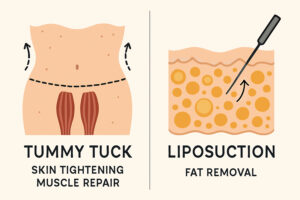
Tummy Tuck vs. Liposuction: Key Differences
These two procedures are often confused, but they serve different purposes.
| Feature | Tummy Tuck | Liposuction |
| Main goal | Skin tightening & muscle repair | Fat reduction |
| Fat removal | Minimal unless combined with lipo | Primary focus |
| Skin removal | Yes | No |
| Recovery time | Longer | Shorter |
If your main concern is stubborn belly fat, combining both procedures may give the best results. For natural fat loss before or after surgery, try strategies like this how to lose 5lbs in a week guide.
Factors That Influence Fat Removal Amount
The amount of fat that can be removed during a tummy tuck depends on several factors:
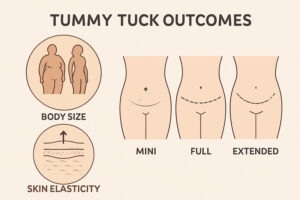
- Body size and BMI – Larger individuals may have more tissue removed
- Skin elasticity – Looser skin allows for more effective contouring
- Type of tummy tuck – Mini, full, or extended (each removes a different volume)
- Whether liposuction is included
- Surgeon’s technique and safety regulations
For reference, Mayo Clinic confirms that tummy tucks primarily aim to tighten muscles and remove skin, not act as a weight loss method.
Types of Tummy Tucks & Their Fat Removal Potential
Mini Tummy Tuck
- Target: Lower abdomen only
- Fat removed: Very minimal
- Ideal for: People with a small belly “pooch”
Full Tummy Tuck
- Target: Entire abdomen
- Fat removed: Moderate amount (up to 5lbs)
- Also includes muscle tightening
Extended Tummy Tuck
- Target: Abdomen + flanks
- Fat removed: Greater volume (up to 10 pounds with lipo)
- Best for: Massive weight loss patients

- Best for: Massive weight loss patients
Is There a Limit to How Much Fat Can Be Removed?
Yes and it’s there for your safety.
In the U.S., most states have legal and medical limits for outpatient procedures:
- Maximum safe fat removal: Around 5,000–6,000cc (11–13 lbs)
- Exceeding this can lead to blood loss, infection, fluid imbalance, and fat embolism
Very well Health emphasizes that removing excessive fat in one go is not only unsafe but can also result in poor aesthetic outcomes.
What Happens to the Removed Fat and Skin?
After removal, the fat and skin are disposed of as medical waste. These tissues cannot be reused or transferred unless fat grafting is part of the surgical plan, which is not typical for tummy tucks.
Recovery & Results
- Downtime: 2 to 3 weeks (minimal activity)
- Full healing: Up to 3 to 6 months
- Results: Long-lasting if you maintain a stable weight
After surgery, it’s vital to eat well and stay active. You can enhance your results with metabolism boosters like tummy fat loss drinks — especially during the healing phase.
Frequently Asked Questions
Can a tummy tuck help me lose weight?
No — it’s not designed for significant fat loss. Most patients lose just a few pounds of fat/skin.
Can I combine it with liposuction?
Yes. Many surgeons recommend it for enhanced body contouring.
Is a tummy tuck safe?
Yes, when performed by a board-certified plastic surgeon under proper medical guidelines.
What happens if I gain weight after?
It can reverse the results. Fat can return, especially in untreated areas. We recommend reading Can Belly Fat Cause Back Pain? to understand deeper impacts of weight regain.

Can cycling lose belly fat? This is a question many people ask when looking for a fun and low-impact way to slim down. The best part Cycling truly helps with weight loss. Whether you are riding outdoors or using a stationary bike for weight loss, cycling helps burn calories, boosts your metabolism, and targets body fat. It is also a great way to tone your legs and core. Regular rides, especially when combined with a healthy diet, can lead to noticeable changes in belly size. If you are consistent, you will experience real cycling benefits for overweight loss and even improve your heart health. Cycling is not just exercise—it’s a path to better fitness and a flatter stomach. Table of Contents Why belly fat is Hard to Lose Can Cycle Really Burn Belly Fat How Cycling Helps in Reducing Overall Body Weight? Cycling Exercises That Target Belly Fat Fast Indoor vs Outdoor Cycling: which is Better for Fat Loss? How to Choose the Right Bicycle for Weight Loss Cycling Tips for Faster Belly Fat Reduction 7 Additional Health Benefits of Cycling Beyond Fat Loss: CONCLUSION FAQS: Why belly fat is Hard to Lose Belly fat is categorized into two kinds subcutaneous and visceral. Subcutaneous fat is just under your skin. Visceral fat lies deeper in the body and surrounds your internal organs. Lose visceral fat with cycling is important because it is linked to health risks like heart disease and diabetes. This kind of fat is harder to lose because it responds slowly to exercise. Hormones, stress, sleep, and diet play a big role. That is why belly fat reduction through exercise needs patience and the right plan. With a steady cycling workout routine, you can see good results over time. Can Cycle Really Burn Belly Fat Yes, it can. The key is to burn more calories than you eat. This is called a calorie deficit, and biking is a great way to create it. Your body uses stored fat as a source of energy while cycling. fuel Over time, this leads to overweight loss, especially around your stomach. Many studies show that cycling to burn fat faster works if you stay consistent. It also helps improve your metabolism. So, how cycling helps in weight loss is by burning calories and increasing your metabolic rate, and cycling often leads to better long-term fat loss. How Cycling Helps in Reducing Overall Body Weight? Cycling is one of the best cardio to lose belly fat. It is low-impact, so it does not hurt your joints, and you can do it for a long time. The longer you ride, the more fat you burn. Besides burning fat, cycling also helps with muscle building. Your legs, core, and glutes get stronger. That means even when you are not riding, you burn more calories. Cycling and muscle building go hand in hand when done right. Cycling Exercises That Target Belly Fat Fast To get the best results, try mixing steady rides with HIIT cycling for fat burn. For example, ride fast for 30 seconds, then slow down for 1 minute. Repeat this for 20 minutes. You can also try fasted cardio for belly fat early in the morning before breakfast. Some people find this helps burn more fat. Here is a quick table of effective cycling workouts for overweight loss: Workout Type Duration Fat Burning Benefit Steady Ride 45 mints Burns calories slowly HIIT Cycling 20 mints Boost metabolism Long Distance Cycling 90 mints Uses fat for energy Fasted Cycling 30 mints May burn belly fat faster Indoor vs Outdoor Cycling: which is Better for Fat Loss? Both types work, but they offer different benefits. Indoor vs outdoor cycling effectiveness depends on your goals. Avoid weather interruptions and stay on top of your stats with indoor bikes like Peloton or ROUND. Outdoor rides feel more fun and natural. Many people enjoy outdoor biking for weight loss because it keeps them active longer. Contrarily, the best indoor cycling apps help you stay motivated with virtual races and classes. Choose the routine you can stay consistent with. How to Choose the Right Bicycle for Weight Loss Choosing a good bike is important. For beginners, a hybrid bike works well. It combines features of mountain and road bikes. If you prefer trails, go with a mountain bike. For city rides, try a road bike. Comfort is key. Make sure your seat is soft, the handlebar is at the right height, and the frame fits your height. If you are unsure, visit Walmart bike shop. Gear bikes help you ride uphill and increase resistance, which burns more fat. They are better for fat burning workouts and for people who want to challenge themselves. Non-gear bikes are good for beginners. They are simple and help you focus on building consistency. Beginner cycling for overweight loss is easier with non-gear bikes, but gear bikes offer faster progress. Cycling Tips for Faster Belly Fat Reduction Ride at least 4 to 5 times a week. Mix short and long rides. Keep your pace moderate too high. Use a fitness tracker to monitor your heart rate and calories burned. Also, combine cycling with diet for weight loss. Eat lean protein, vegetables, and healthy carbs. Avoid sugary snacks. These abdominal fat burning tips will help you burn more overweight while riding. You do not need to ride for hours. Try biking to work, to the store, or for errands. Morning or evening rides are both great. The best time of day to cycle for overweight loss is the one
An alcohol belly, often called a beer belly, mainly consists of visceral fat that builds up around the midsection. This increased belly fat and bloated abdomen are caused by excess calories, inflammation, and fat accumulation from regular alcohol consumption. Over time, excess abdominal fat from excessive alcohol consumption leads to a large amount of visceral fat stored deep within the belly, surrounding vital organs. This condition correlates with abdominal fat gain, hormonal imbalance, and liver issues. Managing diet, reducing alcohol intake, and exercising regularly are key to reducing an alcohol belly and improving overall metabolic health. Table of Contents How Alcohol Causes Belly Fat and Affects Fat Metabolism What Are the Symptoms of an Alcoholic Stomach? Signs of an Alcohol Belly in Women Internal Signs of an Alcohol Belly in Women How Much Alcohol Consumption Gives You an Alcohol Belly? Alcohol Belly Before and After Before – how the belly shows up Will I Lose My Belly Fat if I Stop Drinking Alcohol? Solutions: What changes i Feel in my body after skipping Alcohol how long for beer belly to go away Key Factors That Influence Alcohol Belly Size and Duration Effective Ways to Reduce Alcohol Belly and Improve Health Step 1 – Reduce or eliminate alcohol Step 2 – Establish calorie control & good diet Step 3 – Boost exercise and fat-burning activity Step 4 – Address hormonal & metabolic health Timetable for Reduction Alcohol Belly After 40 & Postmenopausal Women Comparison: Beer Belly Woman vs Alcohol Belly Woman Important takeaway points about alcohol-induced belly fat Conclusion Call To Action FAQ's Will my belly fat go away if I stop drinking alcohol? Does an alcoholic belly go away? What is an alcohol belly in women? Is alcohol belly hard or soft? How to get rid of alcohol belly (women)? Alcohol belly women before and after How Alcohol Causes Belly Fat and Affects Fat Metabolism Because alcohol adds “empty calories” and changes how the body uses fat and stores it. For example, when your liver is busy processing alcohol, it gives less priority to burning fat. According to Mayo Clinic “In general, alcohol intake is associated with bigger waists, because when you drink alcohol, the liver burns alcohol instead of fat.”Also, for women, hormonal changes (such as around menopause) plus alcohol’s effects can combine to accelerate belly fat gain What Are the Symptoms of an Alcoholic Stomach? Signs of an Alcohol Belly in Women Internal Signs of an Alcohol Belly in Women How Much Alcohol Consumption Gives You an Alcohol Belly? women who drink more than seven standard drinks per week or two to three Drinks per day on a regular basis are at significant risk of developing an alcohol belly. According to Public Health Nutrition found that women consuming 10 or more drinks per occasion were three times more likely to have abdominal obesity compared to light drinkers. A standard drink equals about 14 grams of pure alcohol that’s one 5-ounce glass of wine, one 12-ounce beer, or one shot of spirits. Alcohol contains 7 calories per gram, almost as many as fat, but without nutrients. When your liver processes alcohol, it prioritizes breaking it down over burning fat, which slows metabolism and encourages fat storage especially around the midsection. For women, hormonal changes such as lower estrogen after age 40 make this even worse, shifting fat from the hips and thighs toward the abdomen. Regular drinking also increases cortisol and insulin resistance, both linked to visceral fat gain. In short, drinking daily or heavily on weekends is enough to trigger belly fat accumulation. Limiting alcohol to occasional, moderate use (no more than 1 drink per day) can protect your metabolism and help prevent an alcohol belly in women. Alcohol Belly Before and After Before – how the belly shows up After – after making changes What happens after you reduce alcohol/alter lifestyle: Will I Lose My Belly Fat if I Stop Drinking Alcohol? Yes you can see significant improvements if you stop or greatly reduce alcohol, but it depends on other factors too. What you can Expect Solutions: What changes i Feel in my body after skipping Alcohol So, stopping drinking improves your odds but it’s not a guarantee unless you combine with diet, exercise and other behaviours. how long for beer belly to go away What the research says What to expect for women Key Factors That Influence Alcohol Belly Size and Duration Effective Ways to Reduce Alcohol Belly and Improve Health Step 1 – Reduce or eliminate alcohol Step 2 – Establish calorie control & good diet Step 3 – Boost exercise and fat-burning activity Step 4 – Address hormonal & metabolic health Step 5 – Be patient & track progress Timetable for Reduction Time period Focus Expected progress Weeks 1-4 Eliminate or greatly reduce alcohol, start calorie-controlled diet, light exercise Initial loss of water weight, reduced bloating Months 2-3 Increase cardio + strength training, adjust diet, monitor waist Waist may shrink 1-2 cm, improved energy Months 4-6 Maintain strong habits, manage hormones/stress, smooth out plateaus Noticeable decrease in abdomen, clothes fit better Months 7-12+ Long-term habit, monitor hormones, reduce relapse into heavy drinking Waist circumference may reach healthier range, improved metabolic markers Alcohol Belly After 40 & Postmenopausal Women Why age matters What to focus on Comparison: Beer Belly Woman vs Alcohol Belly Woman “Beer belly” traditionally refers to men drinking lots of beer and getting a belly. But for women, alcohol belly is more about all types of alcohol (beer, wine, spirits) plus hormonal and metabolic factors. Feature Beer Belly (traditional) Alcohol Belly in Women Source Often many beers, high calories, sedentary lifestyle Any heavy drinking + hormonal/metabolic shifts Fat type Often subcutaneous around abdomen (“beer gut”) Often visceral + subcutaneous, especially deeper fat Hormonal role Less prominent in men Hormones (estrogen, insulin, cortisol) play large role Age factor Can appear earlier Especially risky after 40/post-menopause Treatment focus Reduce beer + calories + move Same but also hormone/metabolism support Important takeaway points about