
An alcohol belly, often called a beer belly, mainly consists of visceral fat that builds up around the midsection. This increased belly fat and bloated abdomen are caused by excess calories, inflammation, and fat accumulation from regular alcohol consumption. Over time, excess abdominal fat from excessive alcohol consumption leads to a large amount of visceral fat stored deep within the belly, surrounding vital organs. This condition correlates with abdominal fat gain, hormonal imbalance, and liver issues. Managing diet, reducing alcohol intake, and exercising regularly are key to reducing an alcohol belly and improving overall metabolic health.
How Alcohol Causes Belly Fat and Affects Fat Metabolism
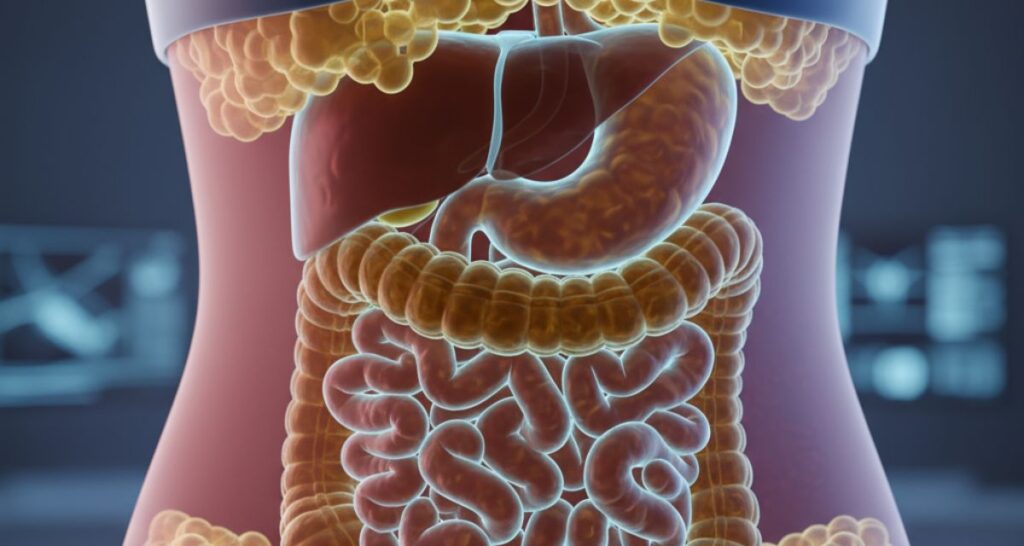
Because alcohol adds “empty calories” and changes how the body uses fat and stores it. For example, when your liver is busy processing alcohol, it gives less priority to burning fat. According to Mayo Clinic “In general, alcohol intake is associated with bigger waists, because when you drink alcohol, the liver burns alcohol instead of fat.”
Also, for women, hormonal changes (such as around menopause) plus alcohol’s effects can combine to accelerate belly fat gain
What Are the Symptoms of an Alcoholic Stomach?
Signs of an Alcohol Belly in Women
- A rounded or protruding stomach, especially when standing.
- Waist circumference increasing (for women, above ~35 inches/88 cm is a marker).
- Clothes fitting tighter around the waist.
- Perhaps other fat storage less obvious (hips, thighs remain but belly grows).
Internal Signs of an Alcohol Belly in Women
- Elevated waist circumference or waist-to-hip ratio even if BMI is normal.
- Possibly signs of fatty liver, elevated liver enzymes (if heavy drinking).
- Insulin resistance or metabolic syndrome indicators (blood sugar, lipids) may show.
- Bloating or feeling “puffy” around the midsection (alcohol-induced water retention can add to appearance of belly).
- Slower fat loss despite dieting/exercise – because alcohol slows fat oxidation.
How Much Alcohol Consumption Gives You an Alcohol Belly?
women who drink more than seven standard drinks per week or two to three Drinks per day on a regular basis are at significant risk of developing an alcohol belly. According to Public Health Nutrition found that women consuming 10 or more drinks per occasion were three times more likely to have abdominal obesity compared to light drinkers.
A standard drink equals about 14 grams of pure alcohol that’s one 5-ounce glass of wine, one 12-ounce beer, or one shot of spirits. Alcohol contains 7 calories per gram, almost as many as fat, but without nutrients. When your liver processes alcohol, it prioritizes breaking it down over burning fat, which slows metabolism and encourages fat storage especially around the midsection.
For women, hormonal changes such as lower estrogen after age 40 make this even worse, shifting fat from the hips and thighs toward the abdomen. Regular drinking also increases cortisol and insulin resistance, both linked to visceral fat gain.
In short, drinking daily or heavily on weekends is enough to trigger belly fat accumulation. Limiting alcohol to occasional, moderate use (no more than 1 drink per day) can protect your metabolism and help prevent an alcohol belly in women.
Alcohol Belly Before and After
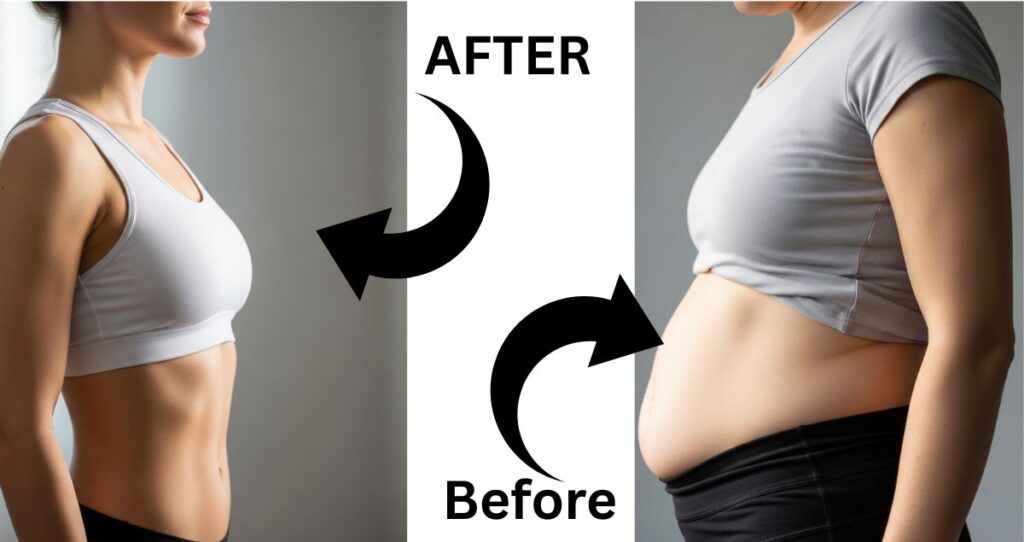
Before – how the belly shows up
- A gradually increasing waistline, perhaps more visible when standing/sitting.
- Maybe little change elsewhere (arms, legs), but belly grows.
- Clothes tighter at waist, maybe feeling bloated after drinking.
- Possibly some early signs of insulin resistance or fatty liver if heavy.
After – after making changes
What happens after you reduce alcohol/alter lifestyle:
- Waist circumference decreases gradually (visceral fat tends to respond with consistent effort). According to Cleveland Clinic, visceral fat can start to reduce in 2-3 months with consistent changes.
- Clothes fit better, less bloating, less “stuck-out” belly.
- Improved metabolic markers (blood sugar, lipids) and liver health.
- Improved energy, less fatigue after drinking.
Will I Lose My Belly Fat if I Stop Drinking Alcohol?
Yes you can see significant improvements if you stop or greatly reduce alcohol, but it depends on other factors too.
What you can Expect
- A review found that heavy drinkers who abstained lost 5.1% of initial weight over 4 years in one lifestyle intervention; heavy drinkers who continued drinking lost only ~2.4%.
- According to Healthline “If heavier drinkers remove alcohol they might see weight loss, improvement in body composition, less stomach fat.”
- moderate alcohol drinkers had less central abdominal fat than abstainers in that case, showing the relationship isn’t always linear.
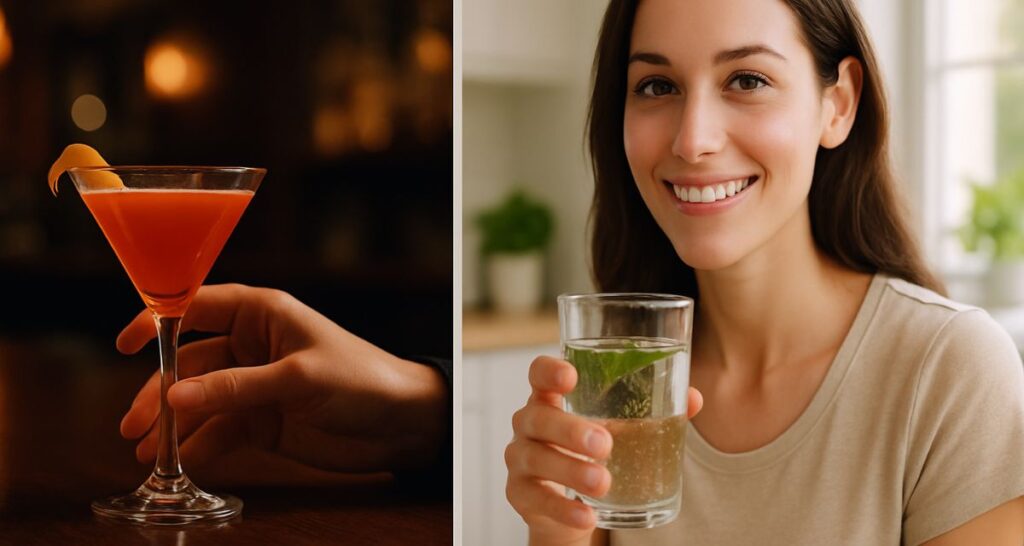
Solutions:
- Removing the calorie surplus from alcohol.
- Improved fat oxidation once alcohol is out of the way.
- Better hormonal balance (especially in women) when alcohol stress is reduced.
- Regular exercise, good diet, quality sleep.
- Especially for women around menopause, controlling alcohol may help reduce the shift toward abdominal fat.
What changes i Feel in my body after skipping Alcohol
- You may start seeing changes in waist size within 2-3 months; more dramatic changes may take 6-12 months or longer.
- Getting to a “normal” waist may depend on how large the excess was and how long it had been present.
So, stopping drinking improves your odds but it’s not a guarantee unless you combine with diet, exercise and other behaviours.
how long for beer belly to go away
What the research says
- It tends to take longer to lose weight than it did acquiring it.”
- According to Cleveland Clinic “You can start to see fat loss in two to three months” if you are consistent with exercise, diet and reducing alcohol.
- A large review found inconsistent associations between alcohol and body fat over time, so it suggests individual variation is high.
What to expect for women
- If you reduce alcohol and eat a calorie-balanced, nutrient-rich diet + regular exercise: you could notice belly reduction in 3-6 months.
- For deeper visceral fat, or longer-term excess, expect 6-12 months or possibly more.
- If you are post-menopausal or have hormonal shifts, it may take more time / require hormone-aware strategy.
Key Factors That Influence Alcohol Belly Size and Duration
- How much excess fat you have (the larger the belly, the longer).
- Duration of heavy drinking / bingeing.
- Your overall diet + physical activity level.
- Hormonal status (menopause, thyroid, insulin).
- Genetics (some women store more fat abdominally).
- Sleep, stress, other lifestyle factors.
Effective Ways to Reduce Alcohol Belly and Improve Health
Step 1 – Reduce or eliminate alcohol
- Aim to stop drinking and reduce number of drinks per week.
- Choose lower calorie drinks or skip drinks altogether when possible.
- Note: Some research found that alcohol reduction was associated with better weight outcomes.
- Monitor your alcohol calories as part of your daily intake.
Step 2 – Establish calorie control & good diet
- Make sure your total calorie intake aligns with weight loss or maintenance goals.
- Focus on nutrient-dense foods – lean proteins, healthy fats, whole grains, plenty of vegetables.
- Avoid using alcohol as a “free pass” to unhealthy food.
- Drink water before/during drinking to reduce over-consumption.
Step 3 – Boost exercise and fat-burning activity
- Combine aerobic exercise Like brisk walking, cycling with strength training (to build muscle and increase resting metabolism).
- Use high intensity interval training (HIIT) to burn more calories in shorter time — helpful for abdominal fat.
- Work on core and posture but remember: you cannot “spot reduce” belly fat alone. The target is total body fat loss → belly fat will reduce as part of that.
Step 4 – Address hormonal & metabolic health
- For women, especially those over 40 or post-menopausal, talk to your endocrinologist about hormone levels (estrogen, thyroid, insulin).
- Ensure sleep quality (poor sleep leads to cortisol elevation → belly fat).
- Manage stress because high cortisol leads to more visceral fat.
- Check for fatty liver / insulin resistance if heavy drinking. Fat around the liver can contribute to abdominal fat.
Step 5 – Be patient & track progress
- Use waist circumference and waist-to-hip ratio alongside weight to track changes.
- Remember: belly fat reduction may lag behind initial weight loss.
- Set realistic goals: e.g., reduce waist by 2-4 cm in 3 months rather than expecting dramatic change overnight.
- Reassess alcohol, diet and exercise every few weeks.
Timetable for Reduction
| Time period | Focus | Expected progress |
| Weeks 1-4 | Eliminate or greatly reduce alcohol, start calorie-controlled diet, light exercise | Initial loss of water weight, reduced bloating |
| Months 2-3 | Increase cardio + strength training, adjust diet, monitor waist | Waist may shrink 1-2 cm, improved energy |
| Months 4-6 | Maintain strong habits, manage hormones/stress, smooth out plateaus | Noticeable decrease in abdomen, clothes fit better |
| Months 7-12+ | Long-term habit, monitor hormones, reduce relapse into heavy drinking | Waist circumference may reach healthier range, improved metabolic markers |
Alcohol Belly After 40 & Postmenopausal Women
Why age matters
- As women age (40+), estrogen levels decline, leading to fat shifting from hips/thighs to abdomen (visceral).
- Metabolism slows, muscle mass drops → fewer calories burned at rest.
- Alcohol in this life stage can have a bigger impact on belly fat than when younger.
One health review notes: many women around menopause report gaining weight from alcohol much easier than they did prior to menopause.
What to focus on
- Hormone-aware diet and exercise (more strength training to maintain muscle).
- Avoiding late-night drinking or heavy sessions which may disrupt sleep + metabolism.
- Checking for fatty liver and candid metabolic syndrome signs.
- Lifestyle tweaks: consistent sleep, lower stress, regular movement.
Comparison: Beer Belly Woman vs Alcohol Belly Woman
“Beer belly” traditionally refers to men drinking lots of beer and getting a belly. But for women, alcohol belly is more about all types of alcohol (beer, wine, spirits) plus hormonal and metabolic factors.
| Feature | Beer Belly (traditional) | Alcohol Belly in Women |
| Source | Often many beers, high calories, sedentary lifestyle | Any heavy drinking + hormonal/metabolic shifts |
| Fat type | Often subcutaneous around abdomen (“beer gut”) | Often visceral + subcutaneous, especially deeper fat |
| Hormonal role | Less prominent in men | Hormones (estrogen, insulin, cortisol) play large role |
| Age factor | Can appear earlier | Especially risky after 40/post-menopause |
| Treatment focus | Reduce beer + calories + move | Same but also hormone/metabolism support |
Important takeaway points about alcohol-induced belly fat
- Even moderate but regular alcohol consumption can increase abdominal fat in women under some drinking patterns.
- Drinking heavy amounts per session (binge) is more strongly associated with belly fat in women.
- Alcohol both adds calories and slows your fat burn – a double-whammy.
- For women, hormone shifts (especially around menopause) amplify the belly-fat risk when alcohol is present.
- Cutting back or stopping drinking improves your ability to reduce belly fat — but it’s not the only step.
- Belly fat (visceral fat) is more dangerous than general weight gain because it is linked to metabolic disease, diabetes, heart disease. Cleveland Clinic+1
- Progress takes time. Expect a gradual reduction of waist size, not overnight change.
- Lifestyle matters: diet, exercise, sleep, stress, hormones all play roles alongside drinking.
Conclusion
If you’re a woman concerned about an alcohol belly, here’s where things stand:
- Yes, alcohol can contribute to a belly full of visceral fat, especially in women with certain drinking patterns and hormonal changes.
- Yes, you can reduce the belly by cutting back on alcohol, improving diet, exercising regularly, and monitoring hormones/metabolism.
- Yes, it will take time, consistency and a broader lifestyle approach — don’t expect quick fixes.
- Finally, because I’m speaking as both an endocrinologist and SEO-aware writer: make sure you set measurable goals (waist circumference, not just weight), track progress, and address both the drinking pattern and the hormonal/metabolic context.
Call To Action
If you’ve made it this far, good job—you’re better equipped now. If you recognise these signs of an alcohol belly and feel your belly fat is creeping up, start today:
- Choose one drink less this week or skip drinking for a week.
- Measure your waist and note your drinking routine.
- Pair that with one extra workout or stronger muscle-work this week.
- If you’re over 40, juggling hormones or uncertain about your metabolic health, talk to your doctor or endocrinologist—this can be more than a cosmetic issue.
At ThoughtifyMedia we provide information but “remember” this article is for education only and not a substitute for medical advice. If you have serious problems (e.g., heavy alcohol use, metabolic disease, liver issues), please consult with your doctor. Your health matters—take control, one step at a time.
FAQ’s
Will my belly fat go away if I stop drinking alcohol?
Yes, reducing or quitting alcohol can help your belly fat decrease over time especially when combined with a balanced diet and regular exercise. The liver recovers, fat burning improves, and calorie intake drops.
Does an alcoholic belly go away?
Yes, it can. Once you stop or limit alcohol and manage your diet, the body gradually burns stored fat. Visible results often appear within a few weeks to months, depending on your lifestyle and metabolism.
What is an alcohol belly in women?
An alcohol belly refers to fat accumulation around the abdomen caused by frequent or heavy drinking. It’s linked to high calorie intake, slower fat metabolism, and hormonal factors—especially in women over 40.
Is alcohol belly hard or soft?
It can be either. A hard belly usually indicates visceral fat (fat around internal organs), while a soft belly is mainly subcutaneous fat under the skin. Both can improve with alcohol reduction and lifestyle changes.
How to get rid of alcohol belly (women)?
Cut back on alcohol, choose nutrient-rich foods, and exercise regularly especially with strength and cardio workouts. Manage sleep, stress, and hormone balance for faster results.
Alcohol belly women before and after
Before: bloating, weight gain around the waist, and sluggish metabolism.
After reducing alcohol: flatter stomach, improved energy, better digestion, and healthier skin. Results vary but are noticeable with consistent effort.