
Yes, visceral fat surgery can reduce fat around internal organs, but it’s not a direct removal like liposuction for subcutaneous fat. Surgeons indirectly target visceral fat through bariatric or metabolic procedures that help reduce overall body fat and improve health. However, complete removal isn’t possible surgery helps lower it safely through weight reduction and metabolic balance.
What is Visceral Fat?
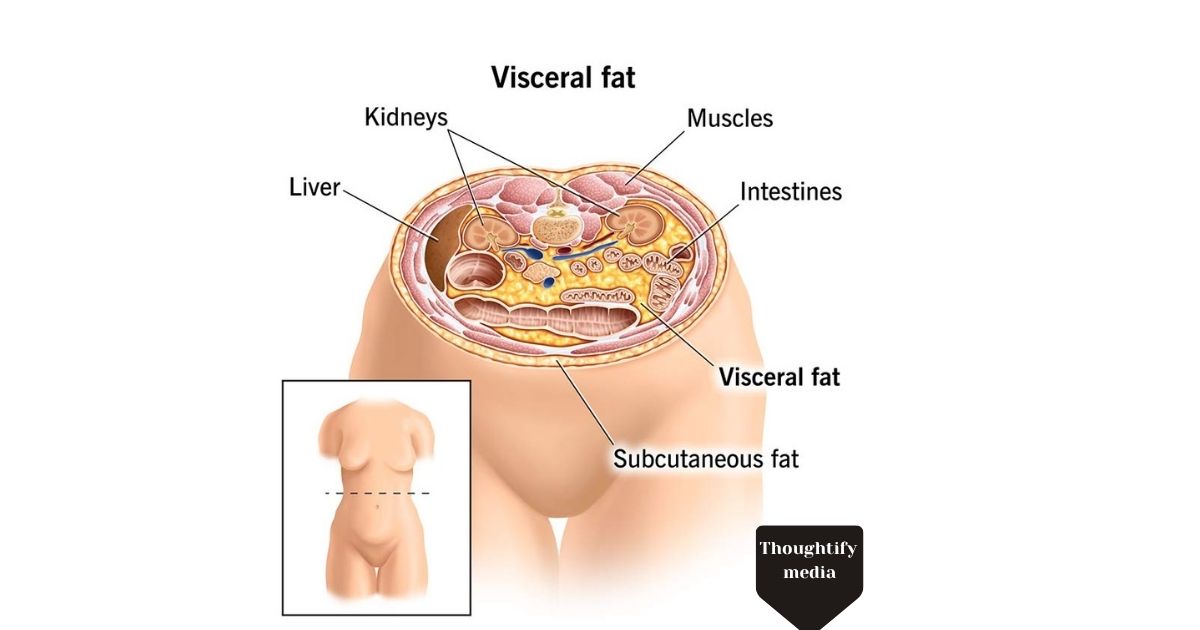
Visceral fat is the deep, hidden fat that wraps around your stomach, liver, pancreas, and intestines. Unlike the soft fat under your skin (subcutaneous fat), this one is dangerous because it releases inflammatory substances that increase the risk of diabetes, heart disease, and insulin resistance.
Visceral fat is more stubborn because it’s metabolically active meaning it influences hormones, inflammation, and even blood sugar levels.
Can You Surgically Remove Visceral Fat?
Direct surgical removal of visceral fat is not possible.
Unlike liposuction, which targets fat beneath the skin, visceral fat lies between vital organs making it too risky to remove manually.
However, some indirect surgical procedures can dramatically reduce visceral fat over time. These include:
1. Bariatric Surgery
Bariatric procedures, such as gastric bypass, sleeve gastrectomy, or adjustable gastric banding, reduce the stomach’s size and change the way your body absorbs food.
Effect on Visceral Fat:

- Promotes rapid weight loss within 6–12 months
- Improves insulin sensitivity
- Lowers internal fat stores by up to 30–40%
According to a medical study, patients who underwent bariatric surgery experienced a significant drop in visceral fat volume within the first year.
2. Metabolic Surgery
Metabolic surgery modifies digestive hormones to improve metabolism. It is mainly used in type 2 diabetes patients who also have high visceral fat.
Benefits include:
- Better glucose control
- Lower internal fat levels
- Long-term prevention of cardiovascular diseases
3. Abdominoplasty (Tummy Tuck)
A tummy tuck only removes excess skin and subcutaneous fat. It doesn’t touch visceral fat. Many people confuse these two procedures, but it’s essential to know that tummy tucks are cosmetic, not metabolic surgeries.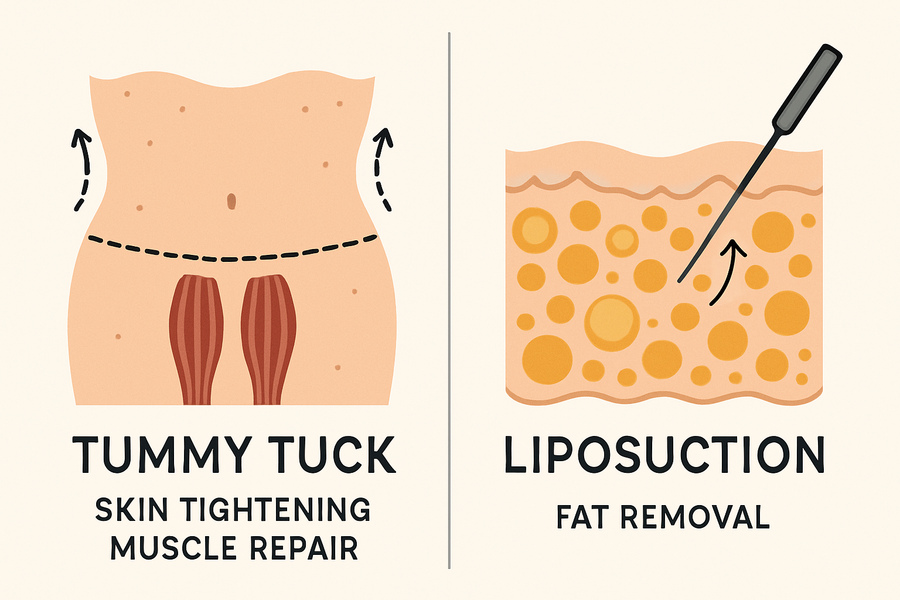
Can You Completely Remove Visceral Fat?
No, visceral fat cannot be completely removed, not even with surgery.
This fat serves a physiological purpose it cushions your organs and supports metabolic processes.
The goal isn’t elimination, but reduction to a healthy level.
After surgery, your body naturally redistributes fat storage. If you maintain a healthy diet and active lifestyle, visceral fat continues to decrease safely.
Can Visceral Fat Be Melted?
Many people search for ways to “melt” visceral fat through special drinks, supplements, or machines. Unfortunately, no procedure or product literally melts visceral fat.
However, it can be “burned off” through increased metabolism and caloric deficit.
Surgery speeds up this process by changing how your body handles energy and hunger hormones such as leptin and ghrelin.
What Burns the Most Visceral Fat?
The most effective visceral fat burners combine lifestyle and medical intervention. Here’s a breakdown:
1. Bariatric or Gastric Surgery
Post-surgery patients typically lose 30–50% of their excess weight, which translates to a major drop in visceral fat volume.
2. High-Intensity Interval Training (HIIT)
Studies show that HIIT workouts burn three times more visceral fat than steady-state cardio.
3. Diet Control
A diet low in refined carbs and sugar, and rich in protein and fiber, helps prevent visceral fat accumulation.
4. Medications
Under medical supervision, GLP-1 receptor agonists like semaglutide or tirzepatide can enhance fat loss and improve metabolic function.
Visceral Fat Removal Surgery Cost
The cost of visceral fat surgery depends on the type of operation:
| Type of Surgery | Average Cost (USD) | Target | Results Timeline |
| Gastric Sleeve | $10,000–$20,000 | Stomach size reduction | 6–12 months |
| Gastric Bypass | $18,000–$25,000 | Alters digestion & absorption | 6–12 months |
| Lap Band | $8,000–$15,000 | Limits food intake | 12–18 months |
| Tummy Tuck | $6,000–$12,000 | Cosmetic (no visceral effect) | Immediate appearance |
Note: Costs vary by region, hospital, and surgeon experience. Always consult a board-certified bariatric surgeon before deciding.
How to Know if You Have Visceral Fat
Visceral fat can’t be measured by the mirror alone — even slim people can have it.
Here’s how to identify it:
| Indicator | Significance |
| Large waistline (Men: >40 inches, Women: >35 inches) | High visceral fat level |
| Hard belly instead of soft | Deep fat around organs |
| High blood pressure, cholesterol, or glucose | Metabolic risk markers |
| MRI, CT Scan, or DEXA Scan | Most accurate medical measurement |
Your doctor may recommend Body Composition Scanning or DEXA scans to measure visceral fat percentage precisely.
Signs You Are Losing Visceral Fat (Men)
When men lose visceral fat, they often notice:
- Waistline Shrinking: Jeans fit looser, especially around the abdomen.
- Better Energy Levels: Less fatigue after meals.
- Improved Digestion: Reduced bloating or heartburn.
- Stable Blood Sugar: Fewer sugar crashes during the day.
- Better Testosterone Levels: Fat loss improves hormonal balance.
These signs usually appear 2–3 weeks after consistent lifestyle or surgical intervention.
Visceral Fat Surgery vs. Natural Methods
| Method | Fat Reduction Speed | Health Benefits | Sustainability |
| Surgery | Fast (6–12 months) | Major metabolic improvement | High with diet control |
| Diet & Exercise | Moderate (3–6 months) | Natural and safe | Very high |
| Supplements | Slow | Minimal scientific support | Low |
| Liposuction | Cosmetic only | None for organ fat | Low |
While surgery offers faster and more measurable outcomes, lifestyle control ensures long-term fat management.
Key Medical Insights
- Surgery does not remove visceral fat directly, but reduces it indirectly by altering hormones and metabolism.
- Post-surgery patients typically see a 35–45% drop in visceral fat volume after one year.
- Maintaining results requires proper nutrition, sleep, and regular movement.
According to a research article published in the Journal of Obesity Surgery, metabolic surgery is the most effective long-term solution for patients with high visceral fat linked to metabolic syndrome.
Risks and Recovery After Visceral Fat Surgery
Though beneficial, every surgical intervention carries risks such as:
- Nutrient deficiencies (due to reduced absorption)
- Infection or bleeding
- Need for lifelong dietary management
Recovery Timeline:
- Hospital Stay: 2–3 days
- Back to Work: 2–3 weeks
- Full Recovery: 2–3 months
Postoperative diet includes liquids, then gradual solid foods under your surgeon’s guidance.
When to Consider Visceral Fat Surgery
Doctors may recommend surgery if:
- Your BMI is above 35, or above 30 with metabolic conditions (like diabetes).
- You’ve tried diet and exercise for at least 12 months without success.
- You suffer from sleep apnea, fatty liver, or heart disease due to excess fat.
Surgery should always be a last resort, performed only when lifestyle changes fail to produce results.
Final Thoughts
Visceral fat surgery can be life-changing for people with severe obesity or metabolic disorders. While you cannot remove visceral fat directly through surgery, procedures like gastric bypass or sleeve gastrectomy significantly lower internal fat levels and restore metabolic health.
Long-term success depends on how you maintain your diet, exercise, and overall lifestyle afterward. Surgery gives you a start — maintaining it is your responsibility.
Call to Action (Medical Disclaimer)
If you suspect you have visceral fat or are considering visceral fat surgery, consult with a qualified bariatric surgeon for a personalized evaluation.
This article is meant for educational purposes only, not as a substitute for medical advice.
Always discuss your health condition with your doctor before making any medical decisions.
FAQ’s
How to get rid of visceral fat quickly?
You can reduce visceral fat quickly through a calorie-controlled diet, daily exercise, and limiting added sugar and processed foods. High-intensity workouts, adequate sleep, and stress control also accelerate visceral fat loss naturally without surgery.
What are the Signs That You’re Losing Visceral Fat
So how do you know you’re losing it? A smaller waist, more energy, better sleep and a lot less bloating all suggest you’re on the road to a slimmer stomach.
What is the visceral fat removal surgery cost?
Surgery can’t remove visceral fat directly. Liposuction or tummy tuck costs $5,000–$15,000, depending on the surgeon and location.